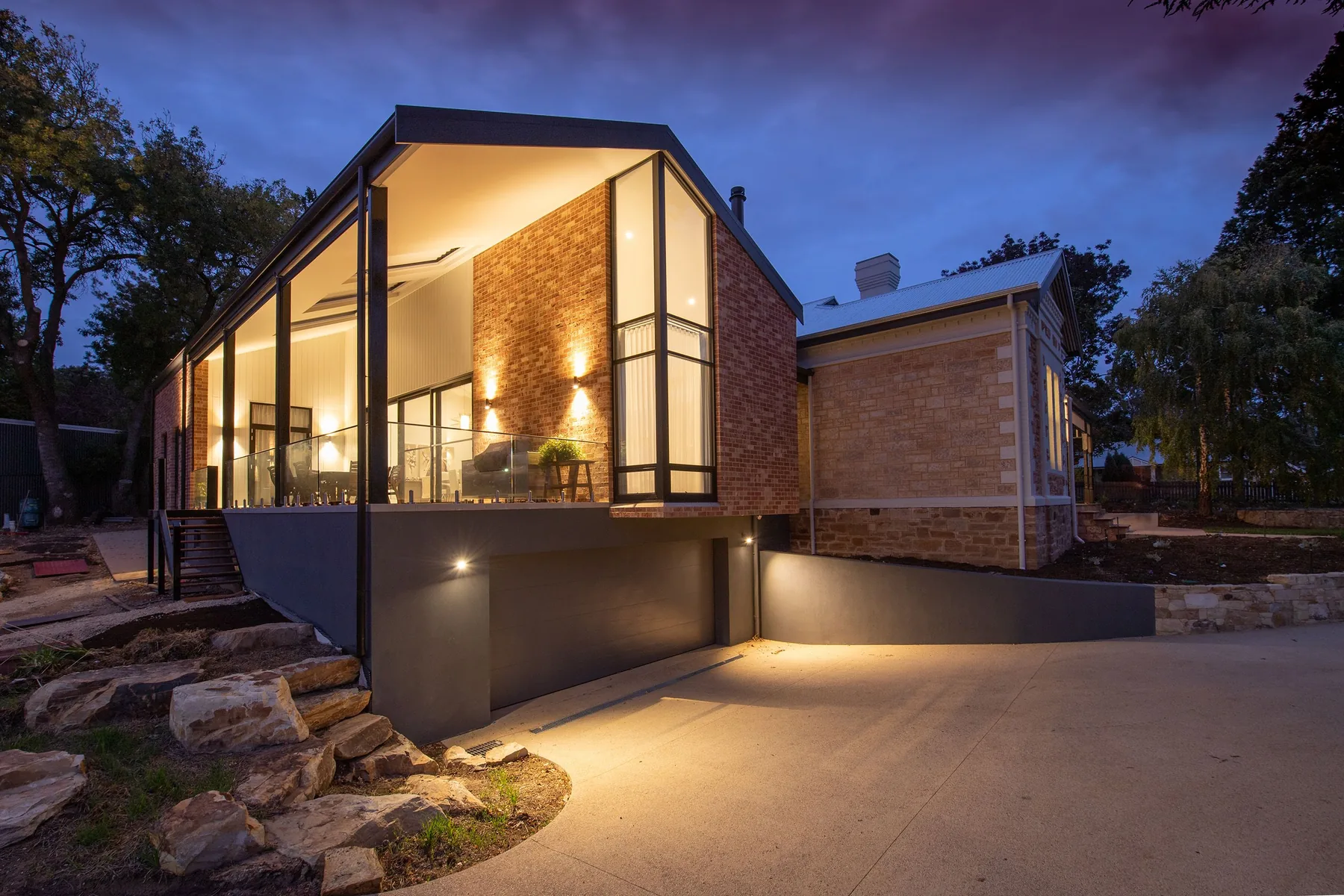
Investor enquiry has shifted noticeably toward new construction over the past year. Two things are driving it, and neither is sentiment.
The tax treatment now favours it
From 1 July 2027, full negative gearing benefits apply mainly to new builds. Over the same period the 50% capital gains discount moves to an inflation-based system with a minimum 30% tax on gains for established property, while new construction can still choose the 50% discount.
Put those together and two otherwise identical investments (same price, same rent, same suburb) produce different after-tax returns depending only on whether the house is new. That is a large enough gap to move behaviour, and it has.
Depreciation was already an argument
New properties carry the fullest depreciation schedules on both the building itself and the plant and equipment inside it. Second-hand plant and equipment has been much more limited for years, which already tilted the numbers toward new stock before this year's Budget touched them.
A depreciation schedule from a qualified quantity surveyor is worth commissioning on any new investment property. It is deductible, and it usually pays for itself several times over in the first year.
What is pulling the other way
Construction costs and land prices are still rising, and that compresses the margin the tax treatment creates. A concession is worth less if you paid more for the asset to get it.
There is also a supply problem hiding inside the opportunity. A corridor releasing a lot of similar stock at once produces competition at resale that an established suburb simply does not have. You are selling into a market where a buyer can get a brand-new version of your house two streets away.
Where the enquiry is landing
Dual-income homes, duplexes, townhouses and granny flats are taking a disproportionate share of it, for a straightforward reason: they improve yield on the same land, which offsets the servicing cost of a growth-oriented purchase. That combination is rare enough that it commands attention when it appears.
House and land packages in the South West Sydney corridors are the other concentration, helped by stamp duty generally being payable on the land value rather than the completed value.
The question to actually ask
Not "should I buy new?" but "does this particular property stand up without the tax treatment?" A concession improves a good investment and does not rescue a poor one, and the properties most aggressively marketed on their tax advantages are often the ones that need the argument.
Run the numbers both ways. If a property only works because of the depreciation schedule and the negative gearing, it is a tax product rather than a property investment, and tax rules change, as this Budget has just demonstrated.
Before you act on any of it
- Get advice specific to your situation. The changes have start dates, grandfathering provisions and exceptions, and a general article is not a substitute for an accountant.
- Check the supply pipeline around anything you are considering, not just the property itself.
- Model the shortfall on realistic rent and realistic vacancy, not on the marketing projection.
- Remember the concession is not the investment. A poor property with good tax treatment is still a poor property.